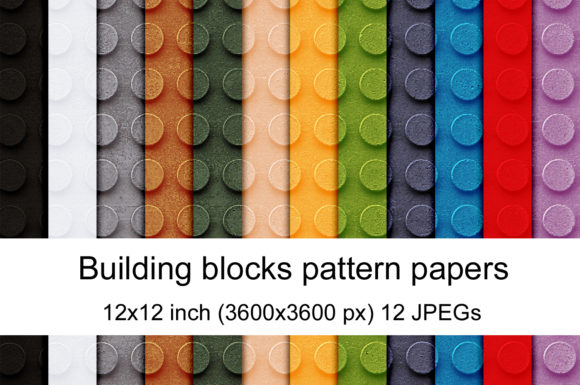
Unlock Limitless Creativity with Building Blocks Papers
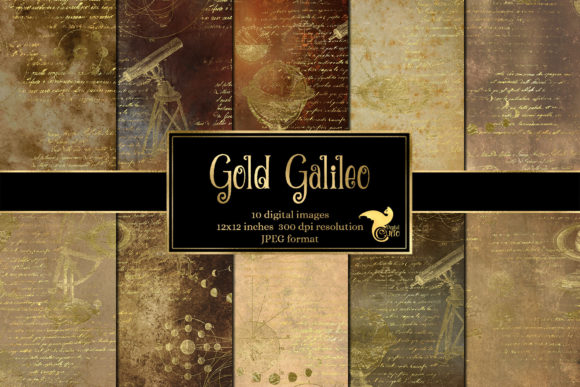
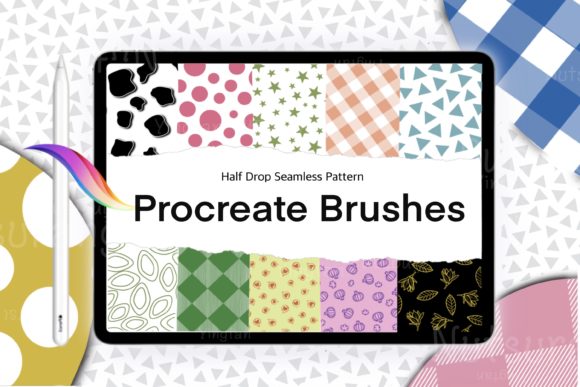
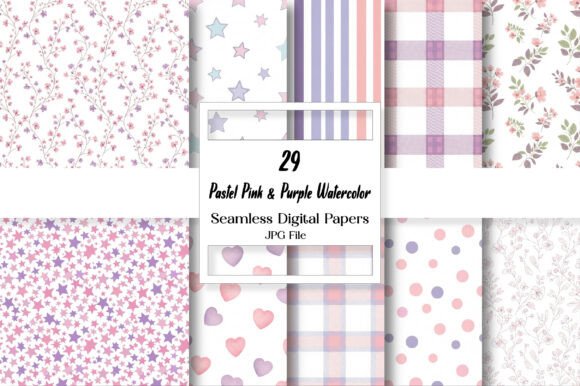
If you have ever struggled to find the perfect background texture that doesn't distract from your main subject, you know the frustration of sifting through low-quality assets. In the world of digital design, the foundation of your project matters just as much as the focal point. This is where Building Blocks Papers come into play. This isn't just a random assortment of textures; it is a curated collection of 12 high-resolution digital papers designed to serve as the ultimate canvas for your creative endeavors. With a generous size of 3600 x 3600 pixels (12x12 inches), these assets offer the versatility and clarity required for both digital and print mediums.
The Versatility of High-Resolution Textures
One of the primary challenges in modern graphic design is maintaining quality across different formats. A texture that looks great on an Instagram story might turn into a pixelated mess when applied to a physical brochure. Building Blocks Papers solve this issue with their substantial 3600px dimension. This makes them ideal for professional packaging design and mock-ups, where you need to zoom in on specific areas without losing fidelity. The collection functions much like a versatile font family—while the specific visual style is fixed, the utility spans a massive range of applications. Whether you are working on digital scrapbooking, designing a planner cover, or creating custom merchandise, these files provide the resolution necessary to keep your work looking sharp and professional.
For small business owners and entrepreneurs, these papers offer a practical solution for branding consistency. Imagine you are launching a new product line. You need cohesive visuals for your social media teasers, the product packaging, and the instruction manual inside the box. Using Building Blocks Papers allows you to maintain a unified aesthetic without having to commission custom photography or complex illustrations. They act as a silent partner in your brand identity, providing a consistent texture that ties disparate elements together.
Practical Integration into Your Workflow
Adopting new design assets should streamline your process, not complicate it. One of the standout features of Building Blocks Papers is their compatibility. Because they are delivered as standard image files (likely high-quality JPGs or PNGs), they are universally accessible. You do not need to worry about software licensing for a specific typeface or plugin updates. You can drop them into Adobe Photoshop, Canva, Procreate, or Affinity Designer instantly.
When integrating these papers into a layout, think about how they interact with your typography. If you are overlaying text, readability is paramount. A busy, textured background can easily swallow a delicate sans serif font or a thin script font. To ensure your message gets across, consider adding a semi-transparent overlay or a shape mask behind your text. This creates a "safe zone" for your copy, allowing the texture of the paper to frame the content rather than fight with it.
Here are a few practical ways to utilize this collection:
- Website Backgrounds: Use a subtle paper texture as a background for a landing page to add warmth and tactile depth, moving away from sterile, flat colors.
- Social Media Graphics: Create a cohesive grid on Instagram by using the same paper as the background for quote cards and promotional posts.
- Editorial Design: Apply the textures to the chapter headers or pull-quote backgrounds in a digital magazine or e-book.
- Physical Crafts: Print them out for use in junk journaling, card making, or as unique wrapping paper for small gifts.
Elevating Aesthetics Beyond Standard Graphics
In an era dominated by flat design and minimalist interfaces, adding a tactile element can make your work stand out. Building Blocks Papers provide a way to introduce "digital noise" and organic patterns that mimic physical materials. This is particularly useful when you want to evoke a specific mood or atmosphere. For example, pairing a rough, grainy paper texture with a vintage serif font can instantly transport the viewer to a different era, creating a nostalgic feeling that resonates emotionally.
For content creators and bloggers, these papers are not just backgrounds; they are storytelling tools. If you are writing a post about home organization, using a clean, grid-based paper texture reinforces the theme of structure. If you are discussing creativity or brainstorming, a more abstract, flowing paper texture might better suit the content. The goal is to align the visual environment of your text with the message you are delivering. This attention to detail signals professionalism to your audience, suggesting that you care about the quality of the entire experience, not just the words on the screen.
Furthermore, consider the commercial aspect. If you are an Etsy seller creating printable planners or sticker sheets, the "paper" your digital product is printed on matters. By designing your planner pages on top of Building Blocks Papers, you give the customer a preview of what the physical product might look like, or you add a layer of luxury to the digital download itself. It transforms a standard PDF into a premium product.
Strategic Application for Brand Consistency
Consistency is the bedrock of brand recognition. When a customer sees your content, they should recognize it before they even read the logo. While typography plays a massive role here—choosing the right modern typography and sticking to it—backgrounds and textures are equally important. By selecting one or two papers from the Building Blocks Papers collection to use as your "signature" backgrounds, you create a visual shortcut for your audience.
Think about how major brands use texture. Coffee shops often use kraft paper textures in their menus and cup designs to evoke an earthy, organic feel. Tech companies might use subtle geometric patterns to suggest precision and innovation. You can apply the same logic to your personal brand or small business. If your brand voice is warm and approachable, choose a paper with soft edges and muted tones. If your brand is bold and energetic, look for papers with higher contrast and sharper definitions.
Ultimately, Building Blocks Papers are more than just pretty pictures; they are functional tools for visual communication. They bridge the gap between a blank white screen and a fully realized design. By incorporating them into your toolkit, you equip yourself to handle a wider variety of projects with greater confidence and speed, ensuring that every piece of content you publish is built on a solid foundation.