Spring Petals - Teal and Yellow: A Fresh Take on Nature-Inspired Design
The Visual Language of Spring Petals
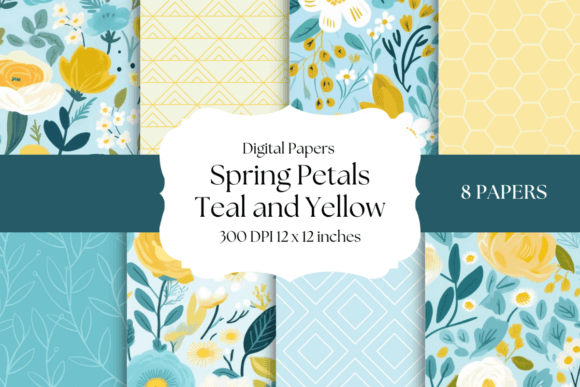
There's something immediately refreshing about opening a design asset that captures the essence of a season without feeling cliché. The Spring Petals - Teal and Yellow collection does exactly that. These aren't your grandmother's floral papers—they're contemporary, vibrant, and surprisingly versatile. The teal tones ground the composition with a cool sophistication, while the yellow accents inject energy and warmth. Together with the supporting greens, they create a palette that feels alive without being overwhelming.
What strikes me most about these digital papers is their balance. The floral elements are present but not dominant. They don't scream "floral scrapbook page" in a way that limits their application. Instead, they offer a subtle organic texture that can serve as a background, an accent layer, or a standalone design element depending on your project needs. The 300 dpi resolution means you can scale these for print projects without losing clarity—a detail that separates genuinely useful design assets from decorative filler.
Where These Papers Actually Work
Let me be direct about practical applications, because that's what matters when you're investing in creative resources.
For Digital Creators and Content Marketers
If you're building social media graphics, blog headers, or email newsletter backgrounds, Spring Petals - Teal and Yellow offers something most generic backgrounds don't: personality without distraction. I've seen too many content creators default to solid colors or overused stock textures. These papers give you visual interest that supports your message rather than competing with it. Use them behind quote graphics, as podcast cover backgrounds, or as subtle overlays in video thumbnails. The teal and yellow combination photographs well on screens and maintains its vibrancy across different devices.
For Brand Builders and Entrepreneurs
Here's where I'll offer a word of thoughtful caution. These papers work beautifully for brand collateral—think packaging inserts, thank-you cards, loyalty program materials, and seasonal promotions. However, they're best suited for brands where a nature-inspired, approachable aesthetic aligns with your positioning. A wellness brand, boutique retailer, artisan food company, or lifestyle blog could integrate these seamlessly into their visual identity. A fintech startup or industrial manufacturer? Probably not the right fit. Understanding your brand personality before committing to any design asset is essential for maintaining consistency.
For Print Projects and Crafters
The 12"×12" format is no accident—it's designed with scrapbookers and paper crafters in mind. But don't stop there. Print these papers for envelope liners in wedding invitations, use them as backgrounds for handmade greeting cards, or incorporate them into journal and planner designs. The high resolution ensures clean prints, and the JPEG format plays nicely with virtually every design software and printer setup. If you're selling handmade goods on platforms like Etsy, these papers can elevate your product photography backdrops and packaging presentation.
Making Design Decisions That Actually Matter
Choosing the right design asset requires more than aesthetic attraction. Here's how I'd approach evaluating whether Spring Petals - Teal and Yellow belongs in your creative toolkit.
Consider your audience first. Who are you designing for? The teal and yellow palette skews slightly feminine and youthful, though not exclusively. It appeals to audiences who appreciate organic, nature-forward design sensibilities. If your target demographic responds to warmth, freshness, and visual positivity, this collection delivers.
Think about font pairing carefully. When using these papers as backgrounds for text-heavy projects, your typography choices become critical. A clean sans serif font will maintain readability against the floral patterns. If you want to lean into the organic feel, a modern script font or handwritten font can work beautifully for headlines—just keep body text simple and legible. Avoid overly decorative serif fonts that might compete with the paper's visual texture. The goal is complementary contrast, not visual noise.
Test before you commit to large projects. Open the papers in your design software. Layer your text elements over them. Check readability at different sizes. See how the colors interact with your existing brand palette. This kind of practical testing reveals whether an asset truly serves your project or simply looked appealing in a product preview.
Beyond the Obvious: Unexpected Applications
The most creative uses of design assets often come from unexpected combinations. Try using Spring Petals - Teal and Yellow as a texture layer with reduced opacity over solid color backgrounds. This creates a sophisticated, branded look that's entirely your own. Use individual sections of the papers as accent elements—crop a small floral detail and use it as a logo design embellishment or a social media profile frame detail.
For web design applications, consider these papers as hero section backgrounds on landing pages for seasonal campaigns. Pair them with a strong headline in a premium font, and you've got an eye-catching visual without commissioning custom photography. They also work well in editorial design contexts—think magazine layouts, digital zines, or e-book covers where an organic aesthetic supports the content theme.
The commercial licensing question deserves attention too. If you're creating products for sale—whether digital downloads, printed merchandise, or client deliverables—verify the specific usage terms. Most quality design asset providers offer clear commercial licensing, but due diligence protects both you and your clients.
Final Thoughts on Building a Versatile Asset Library
Every designer, marketer, and creative professional benefits from a well-curated collection of design assets. The key is choosing resources that offer flexibility without sacrificing quality. Spring Petals - Teal and Yellow earns its place in that library because it serves multiple purposes across different project types while maintaining a cohesive, polished aesthetic. It's not trying to be everything—it's doing one thing exceptionally well: bringing the vibrancy and freshness of spring into your digital and print work with professional-grade quality and thoughtful color harmony.