Roses Junk Journal Paper Backgrounds: A Vintage Touch for Your Projects
The Allure of Shabby Chic and Watercolor Aesthetics
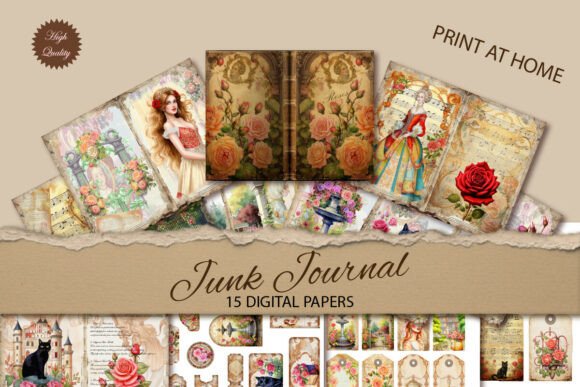
When you're building a brand or crafting a personal project, the foundation matters. You're not just looking for a random image; you're searching for a visual anchor that communicates a specific mood. The Roses Junk Journal Paper Backgrounds collection is designed to fill that void. It isn't merely a set of files; it is a curated bundle of 16 distinct pages, each sized at 11x8.5 inches and rendered in high-quality 300dpi JPG format. These backgrounds capture the essence of the shabby chic aesthetic, blending soft watercolor washes with the timeless beauty of vintage paper textures.
The visual personality here is deliberate. You will find delicate floral arrangements, faded tones, and subtle textures that mimic the look of aged stationery. This style is particularly effective for creators who want to evoke a sense of nostalgia, romance, or warmth. Unlike the clean, sterile lines of modern minimalist design, these backgrounds offer a tactile, organic feel. They provide an immediate sense of history and character, which can be a powerful tool in a designer's arsenal. The files are bundled in a ZIP folder, ensuring you get the complete package in one organized download.
Strategic Applications for Designers and Marketers
Understanding where a design asset fits into your workflow is crucial for efficiency and impact. While the name suggests a specific use case, the versatility of these Roses Junk Journal Paper Backgrounds extends far beyond traditional journaling. For marketers and content creators, these textures offer a unique way to break through the noise of hyper-polished, corporate visuals.
Digital Presence and Brand Identity
In the realm of web design and social media graphics, texture is often the missing ingredient that connects a brand with its audience. Imagine using these vintage backgrounds as the canvas for an Instagram quote series or as the backdrop for a lifestyle brand's product photography. The soft watercolor elements add depth without overwhelming the typography. When selecting a creative font to pair with these backgrounds, consider a script font or a handwritten font to maintain the personal, intimate vibe. However, for readability on screen, balance this with a clean sans serif font for body text.
- Logo Design: Use a cropped section of the background to add texture to a logo mark or badge, giving it a hand-stamped or printed feel.
- Editorial Design: These pages serve as excellent chapter dividers or full-page spreads in digital magazines or e-books, adding a pause for the reader's eye.
- Email Marketing: In a crowded inbox, a header image featuring these vintage textures can feel like a handwritten letter, encouraging higher open rates and engagement.
Print and Packaging Design
The 300dpi resolution ensures that these files translate beautifully to physical products. For entrepreneurs in the stationery, craft, or boutique sectors, these backgrounds are invaluable for packaging design. They can be printed directly onto tissue paper, used as wrapping paper for small items, or integrated into hang tags. The A4 and Letter file compatibility makes them accessible for home printing, but they are professional enough for commercial print runs. When applied to physical goods, the texture of the paper combined with the digital texture of the background creates a multi-sensory experience that elevates the perceived value of the product.
Practical Guidance for Implementation
To get the most out of this asset, you need to approach it with a strategy. It is not enough to simply drop an image onto a canvas; you must integrate it into your visual hierarchy.
Typography and Readability
The biggest challenge with textured backgrounds is ensuring your message remains legible. The Roses Junk Journal Paper Backgrounds are designed with soft, muted tones, which helps, but you still need to be mindful of contrast. Avoid placing small, light-colored text directly over the busiest parts of the floral design.
- Create Contrast: If using a serif font for a vintage feel, ensure the weight is bold enough to stand out. Alternatively, use a semi-transparent overlay or a text box with a solid fill to separate your message from the background.
- Font Pairing: Test your chosen typeface against the background before committing. A heavy display font might look striking, but a delicate script font might get lost. Always zoom out to check the hierarchy—does the eye go to the image first, or the text?
- Color Palette: Extract colors directly from the background to use in your text or graphic elements. This ensures color harmony and reinforces the brand identity.
Licensing and Commercial Use
One of the most practical aspects of this offering is that it is a digital download intended for your projects. Whether you are a hobbyist creating a personal scrapbook or a small business owner designing merchandise, these assets are designed to be utilized. However, always review the specific terms of use provided with the download. Generally, for commercial projects like selling finished journal pages or printed merchandise, standard licensing allows for the use of the artwork in a finished design, but restricts the resale of the raw files themselves. This distinction is vital for maintaining professional standards and respecting the creative work involved.
Why Texture Matters in Modern Design
We are seeing a shift away from the ultra-flat design trends of the last decade. Users crave authenticity. By incorporating elements like the Roses Junk Journal Paper Backgrounds, you signal to your audience that you value craftsmanship and detail. Whether you are a designer working on brand identity for a floral shop, a publisher creating a vintage-themed magazine, or a hobbyist documenting life's moments, these backgrounds provide the perfect foundation.
They offer a blend of premium font style aesthetics—elegant, timeless, and readable—applied to paper textures. They help establish a visual hierarchy that guides the viewer's eye naturally. In a world of digital perfection, these slight imperfections and organic textures make your work feel more human, more relatable, and ultimately, more engaging. Trust these assets to bring your dream projects to life, adding that final layer of polish that transforms a good design into a great one.